
How to Choose the Right Stainless Steel for Commercial Kitchens
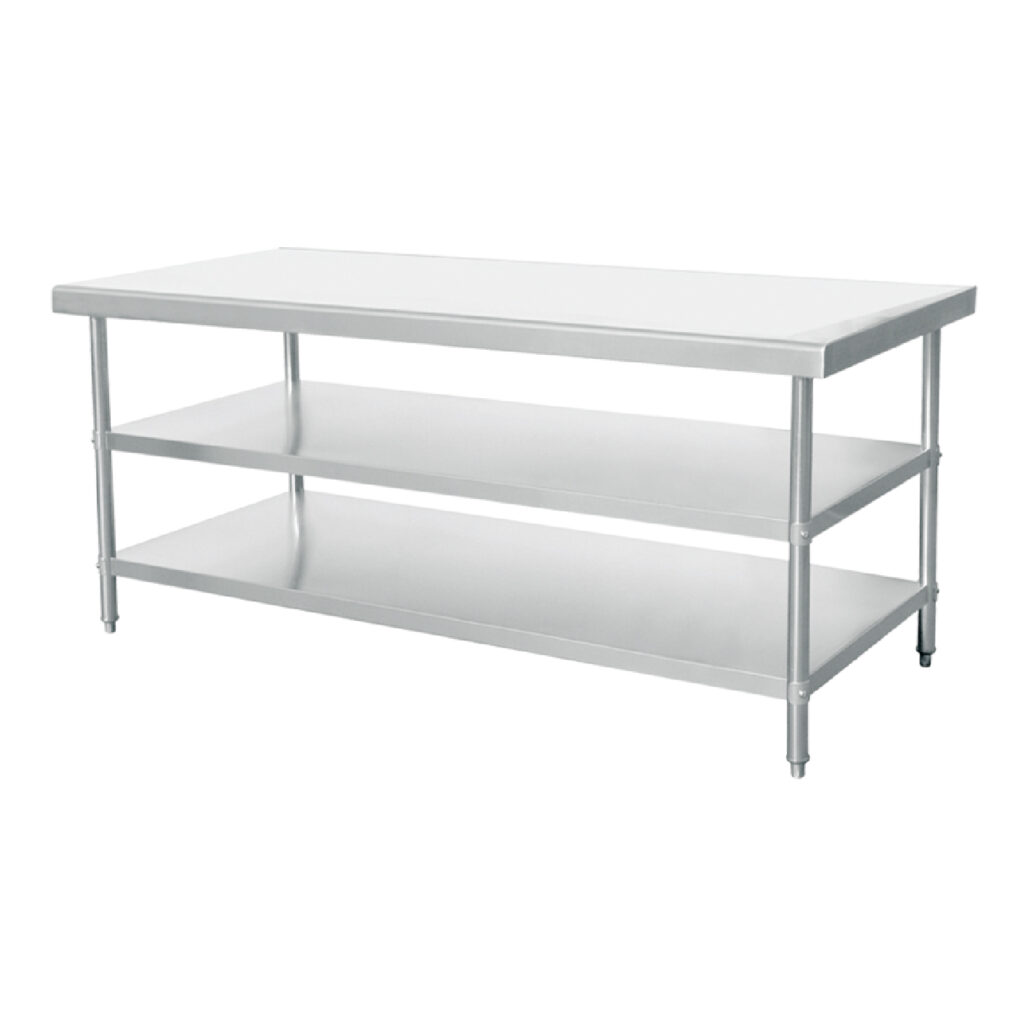
In commercial kitchens—where equipment faces constant use, moisture, acidic foods, and harsh cleaners—choosing the right stainless steel is key to durability, hygiene, and efficiency. While all stainless steel looks similar, different grades vary greatly in performance. This guide simplifies the selection process for your commercial kitchen needs.
Why Stainless Steel Is Essential for Commercial Kitchens
Stainless steel is the industry standard for its unmatched benefits:
- Hygiene: Non-porous surface resists bacteria and meets global food safety standards (NSF/ANSI 51, FDA CFR 21).
- Durability: Withstands heavy use, impacts, and extreme temperatures better than wood or laminate.
- Corrosion Resistance: A protective film shields against rust (strength varies by grade).
- Versatility: Molds to all kitchen equipment types and fits all cleaning routines.
The right grade ensures you maximize these benefits for your kitchen’s needs.
Common Stainless Steel Grades for Commercial Kitchens
Three grades dominate commercial kitchens—each with distinct uses. Choose based on your environment and budget:
1. 201 Stainless Steel: Economical Choice
A budget-friendly option with less nickel (key for corrosion resistance), 201 has moderate durability and corrosion protection.
Ideal Use: Dry, low-demand areas (storage shelves, decorative panels) where budget is priority.
Caution: Avoid wet zones or acidic exposure (rust may occur over time).
2. 304 Stainless Steel: Industry Gold Standard
The most widely used grade (18% chromium, 8% nickel), 304 balances cost and performance perfectly.
Ideal Use: Most food-contact equipment (prep tables, sinks, ovens) and humid/coastal environments.
Pro Tip: Look for “SUS304” or “18/8” markings to avoid counterfeits.
3. 316 Stainless Steel: Premium Performance
Superior corrosion resistance (thanks to molybdenum), 316 is ideal for extreme conditions.
Ideal Use: Coastal kitchens, acidic food prep, or high-sanitization environments (medical foodservice).
Note: 20–30% more expensive than 304—only necessary for extreme corrosion risks.
Key Factors Beyond Grade
- Gauge: Lower gauge = thicker/durable (14-gauge for heavy-duty, 16-gauge for most equipment, 18-gauge for light use).
- Surface Finish: Brushed (No. 4) is best for high-use areas; mirror for aesthetics; electropolished for sanitization.
- Compliance: Ensure certifications (NSF/ANSI 51, ISO 2852, FDA CFR 21) and ask for a Material Test Certificate (MTC).
- Total Cost: 304/316 are more cost-effective long-term than 201 (fewer replacements).
Final Checklist
- Identify equipment use (food/water/acid contact?)
- Assess kitchen environment (humid/coastal?)
- Prioritize compliance with global standards
- Choose grade: 201 (budget/dry), 304 (most needs), 316 (extreme conditions)
- Verify gauge and finish
- Request MTC from suppliers
Conclusion
Choosing the right stainless steel hinges on understanding grades, environment, and long-term value. Invest in the right grade to ensure safety, durability, and cost-efficiency for your commercial kitchen.